
Treatment Comparison
Clear Aligners vs. Braces: Which is Right for You?
Both work. Both are offered at Asbita Orthodontics. The right choice depends on your case, your lifestyle, and what matters most to you. Here is an honest look at how they compare.
The honest answer before we get into the details
Neither option is universally better. Both clear aligners and braces produce excellent orthodontic results when prescribed and managed by an experienced orthodontist. The decision almost always comes down to lifestyle preferences and case complexity — not a clear winner.
What we will not do is steer you toward one option because it is easier to sell or quicker to deliver. Dr. Asbita will recommend whichever treatment genuinely fits your case best. If that means braces when you came in hoping for aligners, he will explain exactly why.
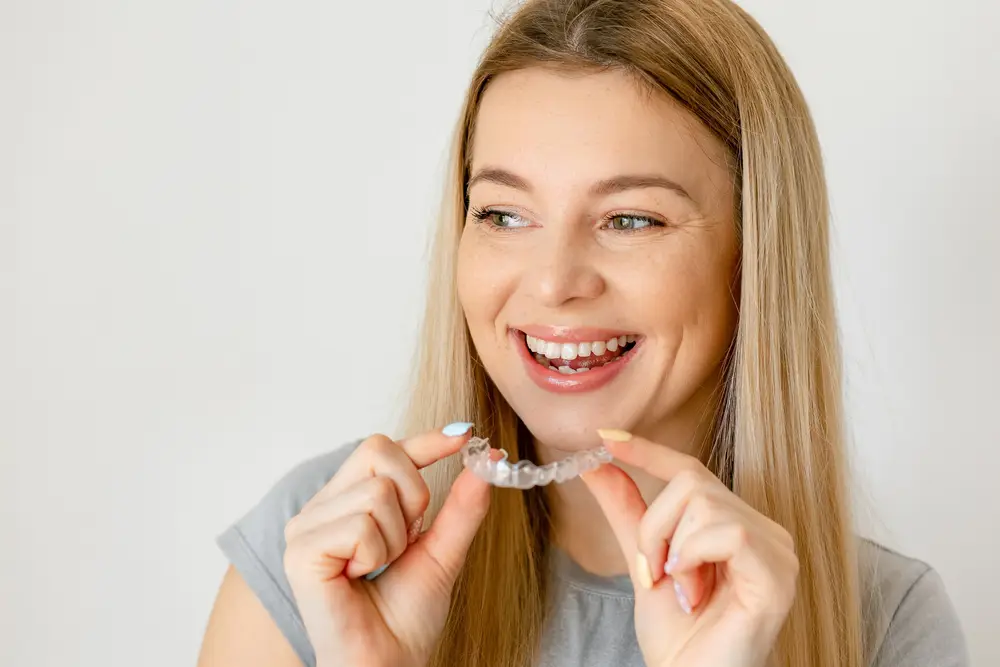
Clear Aligners
Custom-made removable trays that shift your teeth gradually. Each set of trays moves your teeth a controlled amount, and you progress through the series over the course of treatment. Virtually invisible at normal distance.
What makes them the right choice
- You want the most discreet option
- You eat out often and want no food restrictions
- Oral hygiene is a priority and you want to brush normally
- You have a professional setting where appearance matters
- You are an adult or highly motivated teen
- You want to see a digital preview before committing
Where to think carefully
Requires 20–22 hrs/day of consistent wear
Discipline is the single biggest factor in outcomes
Not ideal for patients who may forget or lose trays
Some severe skeletal issues still require braces
Braces
Brackets bonded to each tooth, connected by a wire that Dr. Asbita adjusts over time. Metal or clear ceramic. Fixed in place for the full duration of treatment — no compliance required, no trays to remember.
What makes them the right choice
- You want treatment that works without thinking about it
- Your case has significant bite correction needs
- You prefer metal braces for the most affordable option
- You want ceramic braces for discretion with full control
- You are treating a child or younger teen
- Consistent aligner wear is not realistic for your lifestyle
Where to think carefully
More visible than aligners (metal especially)
Food restrictions apply for the full treatment period
Oral hygiene requires more effort around brackets
Fixed — cannot be removed for photos or events

Side by Side
Full comparison at a glance
| Clear Aligners | Braces | |
|---|---|---|
| Visibility | Virtually invisible | Metal: very visible · Ceramic: low visibility |
| Removable | Yes — remove to eat and brush | No — fixed for the duration of treatment |
| Food restrictions | None | Avoid hard, sticky, and crunchy foods |
| Oral hygiene | Normal brushing and flossing | Requires extra care around brackets and wires |
| Compliance required | Yes — 20–22 hrs/day | No — always working |
| Office visits | Every 8–10 weeks | Every 6–8 weeks |
| Complex bite correction | Excellent for most cases | Maximum control for all cases |
| Cost | Comparable to ceramic braces | Metal is most affordable · Ceramic slightly more |
| Best for | Adults and motivated teens wanting discretion | All ages · Ideal for complex cases |
The Real Deciding Factor
It comes down to your case and your life
After the comparison table, the honest answer is still the same: both work well when managed by an experienced orthodontist. The decision usually comes down to two things — case complexity and lifestyle fit.
Case complexity is Dr. Asbita's call. If your bite needs significant correction, if teeth are severely rotated, or if there are skeletal factors in play, he may recommend braces because they give him more precise control. No online comparison chart changes what is clinically appropriate for your specific situation.
Lifestyle fit is yours to weigh. If the idea of managing trays, remembering to put them back in after lunch, and keeping track of a small plastic case sounds realistic, aligners are a strong option. If you know yourself well enough to know that is not you — braces will get you to the same result without the compliance variable.
Either way, you are seeing a board-certified orthodontist who plans every case himself. That matters more than which appliance ends up in your mouth.
FAQ
Frequently Asked Questions
Is one option faster than the other?
Not necessarily. Treatment time depends on the complexity of your case, not the appliance type. Simple cases finish quickly with either option. Complex cases take longer with either option. Dr. Asbita will give you an honest timeline estimate at your consultation.
Are clear aligners more expensive than braces?
Clear aligners are typically comparable in price to clear ceramic braces, and slightly more than metal braces. The difference is not as large as many people expect. All options are available with our flexible payment plans.
Can clear aligners fix my bite, or only straighten my teeth?
Modern clear aligners treat a wide range of bite issues — overbite, underbite, crossbite, and open bite — in addition to crowding and spacing. The key is that the treatment is planned by an experienced orthodontist, not just generated by software.
What happens if I do not wear my aligners enough?
Aligners require 20 to 22 hours of wear per day to work on schedule. Wearing them less than that slows treatment, can cause teeth to drift back, and may result in refinements or a longer overall timeline. This is the main reason some patients prefer braces — compliance is automatic.
Can I switch from aligners to braces partway through treatment?
In some cases, yes. If your case needs a different approach mid-treatment, Dr. Asbita will discuss your options. He monitors progress at every visit specifically to catch situations like this early.
Which is better for kids and teenagers?
Both options work for teens. Metal braces have no compliance requirement, which makes them reliable for younger patients or those who may struggle to wear trays consistently. Teen-specific aligner systems include compliance indicators and extra trays. Dr. Asbita will help you decide based on your child's specific situation.
Get Started
Ready for a Healthier, More Confident Smile?
Schedule your free consultation today. No pressure. No obligation. Just a warm conversation about your smile.